Borrow the Glow: Layered Lighting the Luxury Hotel Way

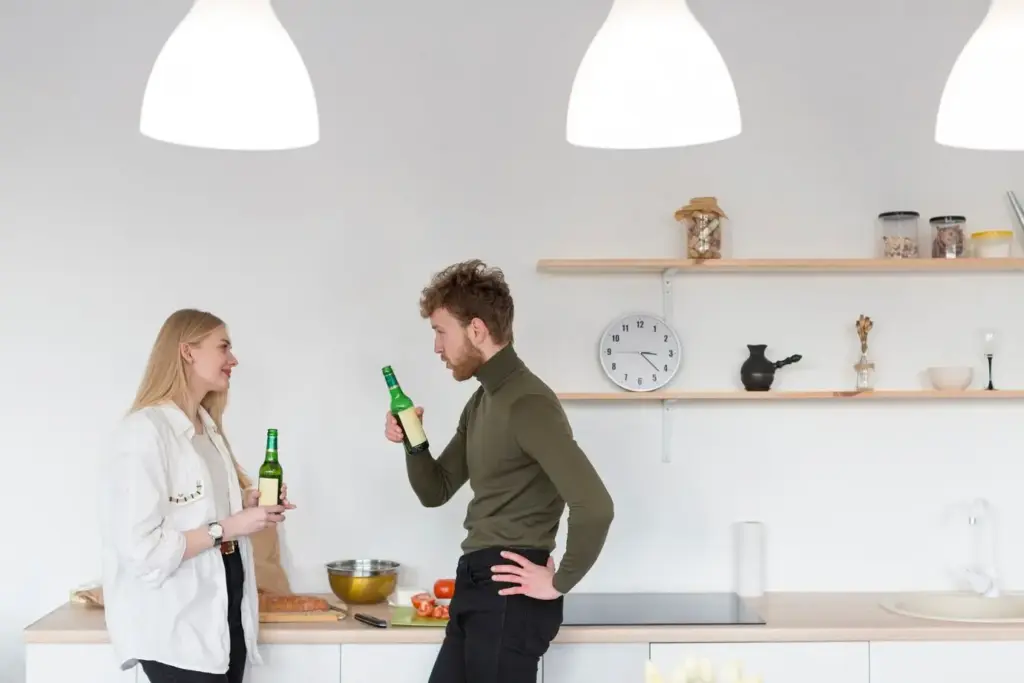
Step into the quiet confidence of five‑star spaces at home. Today we explore layered lighting plans borrowed from luxury hotels and translate them into livable rooms, practical circuits, and repeatable scenes. Expect clear steps, real anecdotes from hospitality projects, and elegant tricks—like hidden grazers and warm‑dim dimming—that make evenings calmer, dinners sparkle, and mornings productive. Ask questions, share photos of your rooms, and subscribe to follow along with future refinements and reader makeovers.

Why Hotels Feel Effortlessly Luminous

Luxury properties rarely rely on a single fixture. They choreograph ambient, task, accent, and decorative layers to guide attention, soothe nerves, and flatter materials. The light is warm where comfort matters, cooler where clarity is needed, and always dimmable. Behind the scenes are beam angles, shielding, and scenes timed to sunset. Understanding this choreography helps you recreate the same calm clarity without turning your living room into a showroom.

The Hospitality Layer Cake

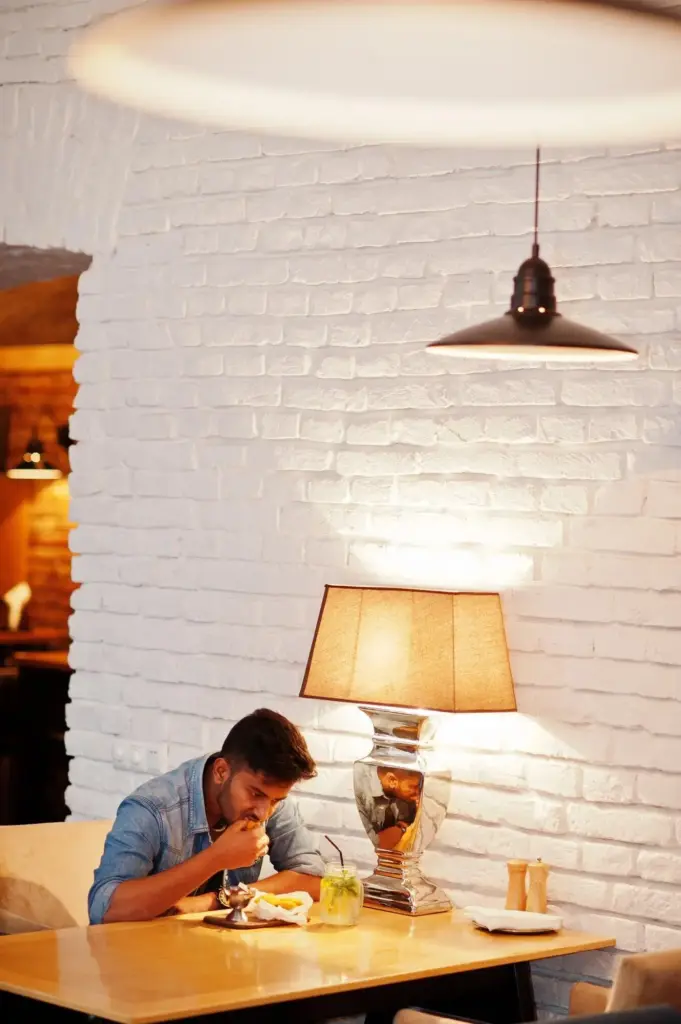
Designers start with a soft ambient base that erases gloomy corners, add precise task beams for reading or prep, then finish with accents that kiss art, stone, and drapery. Decorative pieces provide sparkle without carrying all the light. This hierarchy protects mood and function, keeps glare low, and lets you change the room’s personality instantly with a single scene.

From Lobby to Suite

Walk through a grand lobby and notice the path: brighter pools guide you, while darker perimeters feel restful. Suites repeat the idea with bedside scenes, glowing coves, and quiet bathroom nightlights. The trick is transition; every threshold subtly shifts brightness and color temperature. At home, copy those cues between entry, lounge, kitchen, and hall, and you’ll feel that same effortless flow.
Building Your Layers at Home

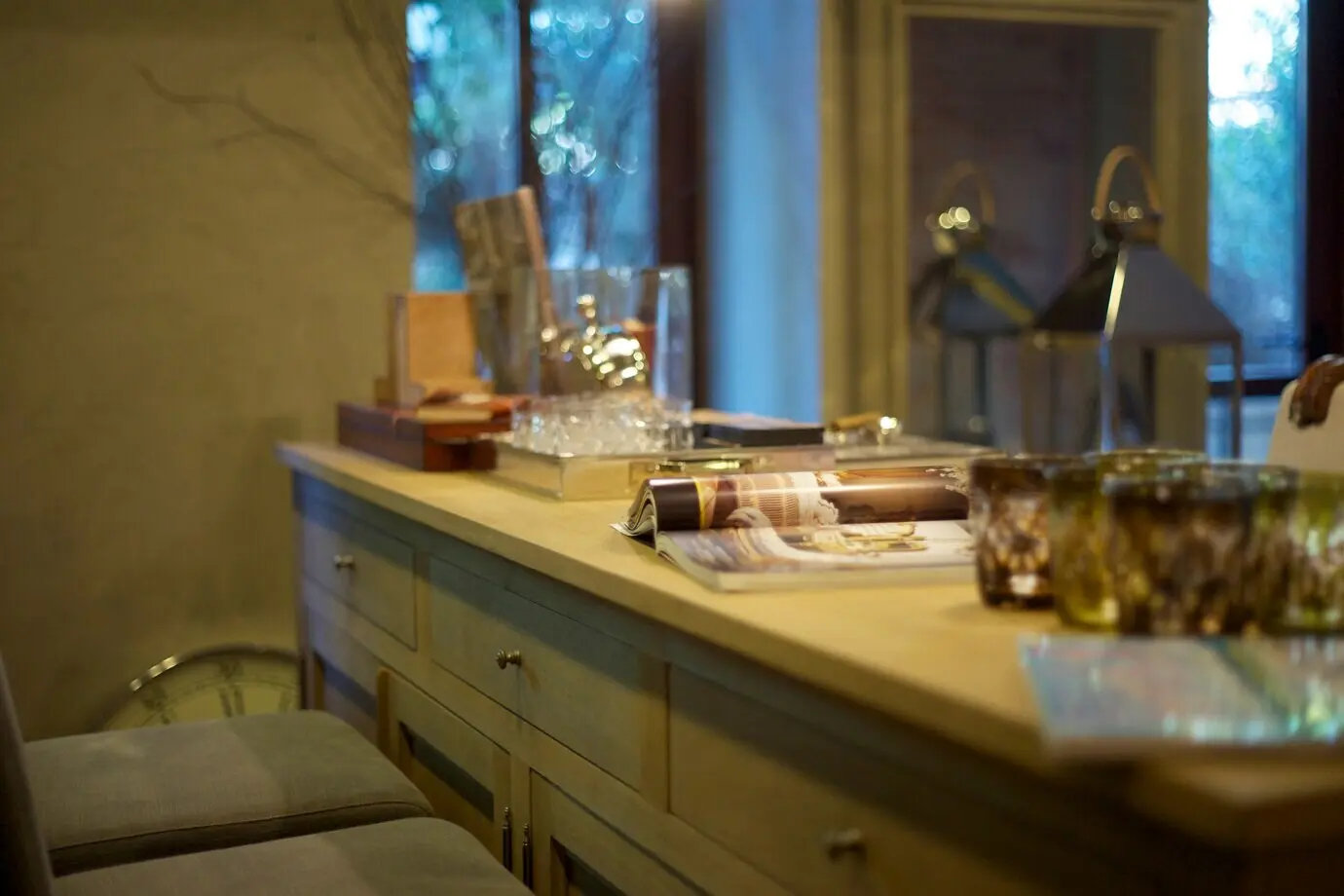
Start broad, then get specific. Establish a calm ambient base using recessed, cove, or ceiling‑wash light that leaves no dead corners. Add task light where work happens, and use accents to sculpt walls and objects. Decorative pieces become jewelry, not workhorses. Put layers on separate dimmable circuits, and pre‑plan a few scenes. With that framework, rooms feel adaptable—from brisk mornings to candlelit nights.

Ambient First, Then Character

Set the foundation with uniform, glare‑controlled ambient lighting. Avoid over‑bright centers and dark edges; wash walls lightly to enlarge perceived space. Once the base is comfortable, introduce character: a cove that floats the ceiling, a soft uplight behind a plant, or a gentle wall grazer. These subtle moves deliver that hushed, expansive hotel feeling without overwhelming detail or clutter.

Task Precision Where It Matters

Focus tight beams on chores and hobbies. Reading chairs love 3000K, wide beam sconces; kitchen counters deserve 3500K under‑cabinet lighting with good color rendering. Vanity mirrors benefit from vertical, face‑flattering light at eye level. Keep tasks bright enough to reduce squinting, but dimmable to blend with ambient layers. The result is comfort and clarity that flex as your day unfolds.
Warm‑Dim and Evening Rituals
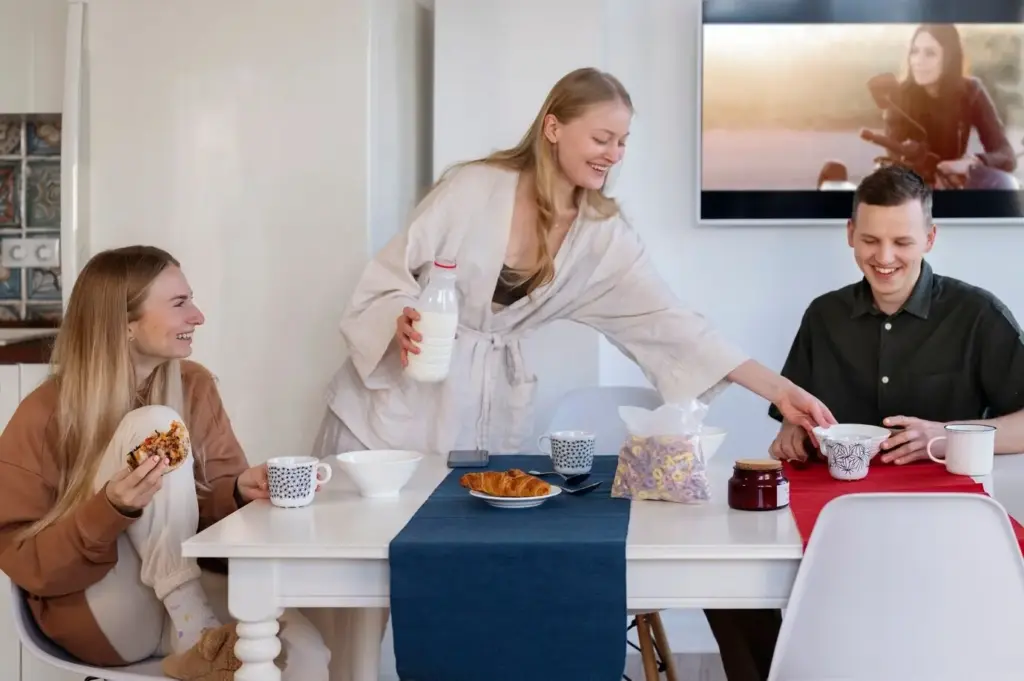
Warm‑dim LEDs shift from bright neutral to cozy amber as you dim, echoing real incandescent behavior. That gentle color falloff signals relaxation, perfect for winding down without blue glare. Use it in living rooms, dining areas, and bedrooms to preserve intimacy, while keeping work zones on stable color. The emotional payoff is enormous: evenings feel curated, not merely darker.

Color Fidelity that Loves Materials

Aim for high CRI and healthy TM‑30 scores so wood, fabrics, art, and food appear true. Reds deepen, greens feel alive, and skin looks rested. Pair accurate light with matte finishes to reduce harsh reflections. Hotels obsess over this because photographs and memories depend on it. Copy the obsession at home, and your favorite textures reward you every single day.

Blend Without Mismatch

Mixing color temperatures is fine when intentional. Keep a narrow range within one zone, or separate zones clearly. If you pair very warm lamps with cooler downlights, ensure scenes dim together so the relationship remains consistent. Test samples at night on actual surfaces. This small discipline prevents the jarring patchwork that makes otherwise beautiful rooms feel unfinished.

Three Essential Scenes

Create Welcome, Entertain, and Unwind. Welcome brightens paths and warms walls so entries feel generous. Entertain sparkles table surfaces, highlights art, and lowers contrast to flatter faces. Unwind trims everything to a soft envelope with focused tasks for reading. Keep names intuitive, store them on labeled buttons, and you’ll actually use them nightly without second‑guessing settings.

Dimming That Feels Expensive

Smooth fades change everything. Choose compatible dimmers and drivers, then test down to low levels for flicker. Program slow transitions—five to ten seconds—to mimic hospitality poise. Group circuits logically so accents never outshine ambient during dimming. When brightness shifts are calm and coordinated, the whole house feels considered, like a suite turning quietly from day into evening.

Smart, But Not Fussy

Favor dependable controls with a clear fallback. Keypads at entries, bedside buttons, and a kitchen master switch cover most routines. Integrate motion where convenient—closets, powder rooms—without annoying triggers in living spaces. Connect voice or apps for occasional tweaks, not daily dependence. Reliability and clarity beat novelty, delivering that unflustered ease you admire in meticulously run hotels.

Living Room and Lounge Moments

Combine a soft ceiling wash, art spots, and shaded lamps. Add an indirect uplight behind sofas to expand space. Keep media glare down with dimmable accents and low‑level coves. A tray with a candle‑warm portable lamp imitates lobby intimacy. Anchor it all with scenes that shift from chatting to movies without rethinking every switch each evening.

Kitchen That Performs and Entertains

Layer bright, even under‑cabinet lighting with narrow spots on the island for prep. A statement pendant adds sparkle but doesn’t carry the workload. Wall washing enlarges breakfast nooks; toe‑kick strips add safe nightlight paths. Dim everything for dinners so food gleams while the background relaxes. It’s culinary theater with backstage precision, exactly like a calm, efficient hotel bar.

Bedroom Sanctuary without Shadows

Place reading lights with asymmetric beams to keep one partner sleeping. Use warm‑dim for bedside and a soft cove or ceiling wash for general comfort. Add a motion‑activated, ultra‑low night path to the bath. Avoid overhead glare above the pillow. The result feels like a suite: personal, restful, and quietly adjustable with a single bedside button.

Room‑by‑Room Playbook

Translating hotel strategies across rooms keeps the experience coherent. Living rooms need layered flexibility for conversation and media. Kitchens require punchy task lighting with flattering ambient. Bedrooms crave gentle, directional light that never blinds sleepy eyes. Bathrooms reward vertical illumination and night paths. Hallways become galleries with pleasant rhythm. Tailor mounting heights, beam angles, and controls to each activity flow.

Materials, Glare, and Elegance

Hotels treat light as a material. They hide sources, illuminate surfaces, and protect eyes with proper shielding. Matte baffles, lenses, and thoughtful finishes tame reflections from stone, glass, and screens. Wallwashing smooths texture; grazing celebrates it. Decide what you want to highlight, then let fixtures disappear. The more invisible the source, the more luxurious the effect appears.

Budget, Retrofits, and Maintenance

Luxury feeling isn’t only about cost; it’s about sequence and intention. Phase work by circuits and rooms. Prioritize dimming, glare control, and a few great accents. Retrofit with compatible drivers and test for flicker before committing. Keep spare lamps, label scenes, and schedule dusting for shades and lenses. Consistent care preserves that polished, hotel‑calm atmosphere for years.

Phasing the Investment

Begin with control infrastructure and key ambient upgrades, then layer in task and accents. Choose fixtures you can reuse as rooms evolve. Spend where performance is visible—over islands, vanities, and art. Save with simple, shielded recessed fixtures elsewhere. Each phase should improve daily life immediately, so momentum builds and the project never feels stalled or half‑finished.

Retrofit Wisdom from Field Teams

Hotels test mockups at night on real surfaces; you should too. Try sample fixtures, check dimming ranges, and photograph results. Verify beam angles and trim finishes against your ceilings. Confirm electrical compatibility before ordering multiples. This practical diligence avoids expensive surprises and ensures the final look matches the quietly confident glow you set out to achieve.

Care that Keeps the Glow

Dust shades, lenses, and trims quarterly; brightness leaps noticeably afterward. Replace failing drivers in pairs when circuits dim unevenly. Re‑aim art spots after furniture moves. Review scenes seasonally as daylight changes. Invite feedback from guests and family, then refine. That humble maintenance rhythm is the hidden secret behind hotels that seem permanently fresh and beautifully illuminated.

Murovofofenavuvirovu
Privacy Overview

This website uses cookies so that we can provide you with the best user experience possible. Cookie information is stored in your browser and performs functions such as recognising you when you return to our website and helping our team to understand which sections of the website you find most interesting and useful.