
Serenity, Bottled and Composed at Home
Step into a sanctuary where every breath and every note invites ease. Today we explore signature scents and soundscapes for crafting a calm, hotel-like ambience at home, blending olfactory layering, acoustic intention, and gracious rituals. Expect practical, sensory-first guidance, small upgrades with big effect, and stories borrowed from hospitality pros. By the end, you’ll have a repeatable blueprint for daily calm. Ask questions, share your playlist discoveries, and subscribe to grow this soothing practice together.
Fragrance Foundations for Effortless Elegance
Begin by understanding how aroma behaves in real rooms with real lives. Great hotels rely on balance: airy openings, a comforting heart, and a reassuring finish that lingers without shouting. We’ll translate that into candles, diffusers, and textiles at home. You’ll learn how to select notes that suit your light, furnishings, and climate, then guide diffusion so fragrance greets without overwhelming. Expect gentle harmony, not heavy perfume, and an aura guests notice before they realize why.
Sound as Invisible Architecture
Sound sculpts space as surely as walls and windows. The right noise floor, dynamic range, and textures shape calm just like fragrance. We’ll curate playlists that move with natural light, choose speakers that flatter rooms, and arrange soft surfaces to tame echo. Expect guidance grounded in psychoacoustics and hospitality practice, where tones are warm, transitions gentle, and volume settled below conversation. You’ll create unobtrusive presence, like a lobby you could linger in for hours without fatigue.
Rituals That Anchor Calm
Arrival Ritual: Doorway to Decompression
As you enter, pause for a breath. Place a small dish by the door with a ceramic stone lightly anointed in your signature note. Press play on a two-minute ambient track with soft, repeating figures that resolve tension. While shoes are set aside and a jacket hangs, the room introduces itself gently. This consistent pairing becomes a cue your nervous system recognizes. Keep it predictable, short, and kind, so even chaotic days meet a soft landing shaped by care.

Evening Wind-Down: Lighting, Aroma, Gentle Audio
Dim lights to warm temperatures, raise blinds only enough for a last look at the sky, and light a single candle with a soothing base, perhaps sandalwood or cashmere musk. Put on a playlist without vocals to lower cognitive load. Breathe with the music’s tempo for three minutes, then stretch lightly. Mist linen just before bed, letting the fragrance settle while you journal one line of gratitude. These small gestures compound, training body and mind to unspool quietly.

Guest-Ready Moments: Welcoming Touches Borrowed from Great Hotels
Before guests arrive, open windows briefly to refresh air, then close and introduce a subtle diffuser in the hallway to meet them halfway. Cue soft music with a confident but relaxed tempo, ensuring conversation remains effortless. Place a clean hand towel and a small glass of water near seating, simple luxuries that expand comfort. Avoid heavy kitchen aromas by starting with brighter notes, transitioning warmer after dinner. The memory they carry home will be care disguised as ease.
Design Details That Carry Scent and Sound
Materials and layout quietly amplify your intentions. Textiles cradle audio while porous surfaces hold fragrance longer. Smart airflow moves aroma without concentrating it, and simple maintenance keeps everything safe. We’ll explore how wood, stone, and wool collaborate with your chosen profile, how to zone spaces for different moods, and how to protect sensitive noses. Think less about décor for display and more about surfaces that collaborate with breath and music, giving comfort a tactile, repeatable form.
Lessons Borrowed from Great Hotels
Hospitality leaders perfect details we can adapt at home. They choreograph arrival with scent that feels clean yet characterful, maintain steady audio that flatters conversation, and adjust intensity with occupancy. Stories from lobbies, spas, and suites reveal why certain notes stick in memory and why certain tones relax strangers into community. We’ll translate those tactics—subtle diffusers, consistent playlists, quiet corners—into small, affordable moves, proving elegance lives in intention as much as in materials or square footage.
Signature Lobby Aromas: Why They Work
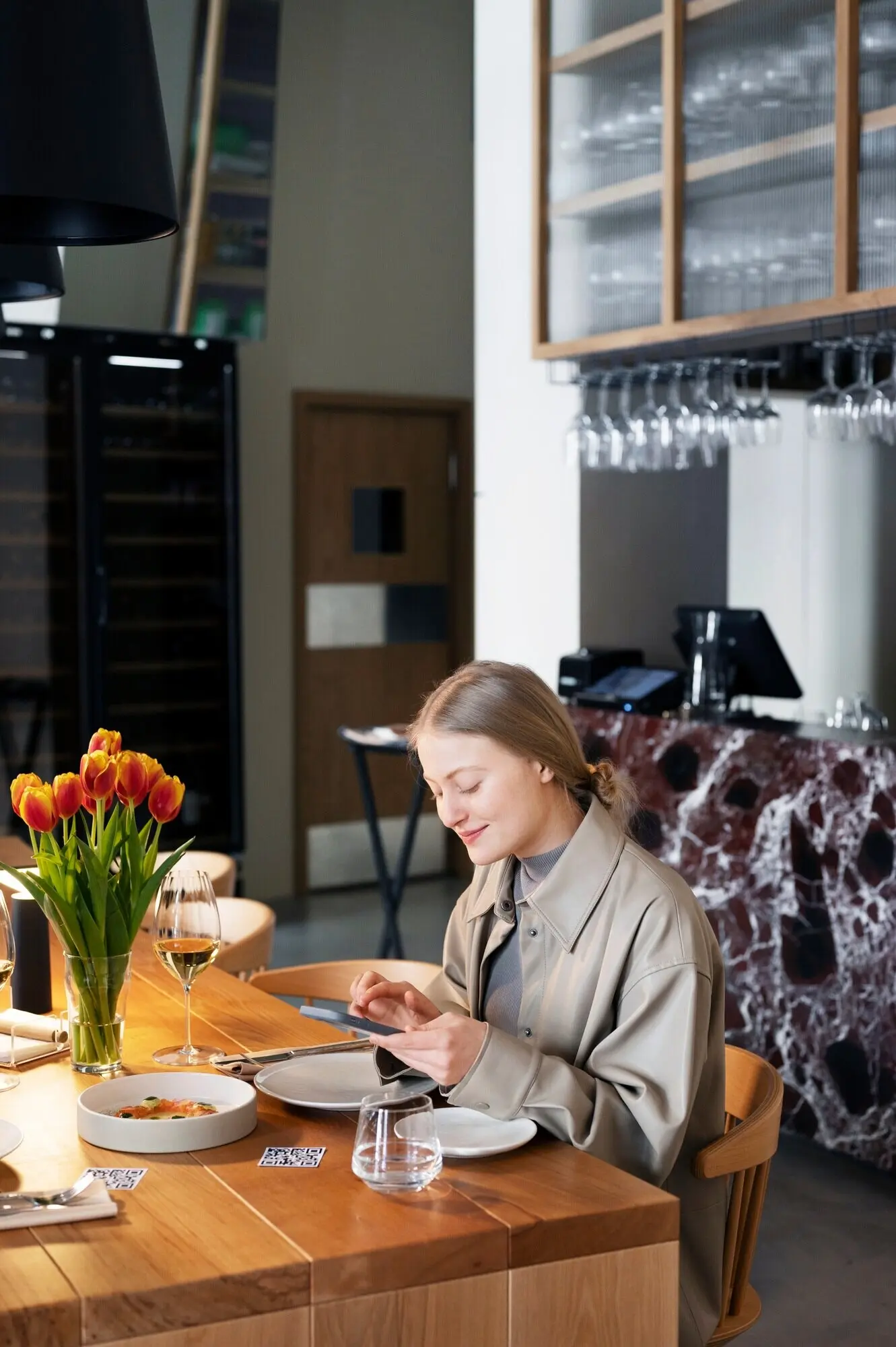
Lobby scents balance familiarity with distinction: a recognizable cleanliness shaped by a memorable flourish, often citrus brightened by florals or supported by cedar. Diffusion systems maintain consistency across shifting airflows. The result feels like identity without advertisement. You can mimic this by choosing one friendly accord as your anchor, then adding a small twist that reflects you—perhaps basil, tea, or fig. Keep it present but light, so returning home feels like recognition rather than announcement.
Soundscapes That Dissolve Stress in Spas
Spas choose audio that lowers breath rate, favoring slow tempos, extended pads, and long reverbs that soften edges. Tracks often share key centers to avoid jarring transitions. Volume remains steady so the nervous system never anticipates surprise. At home, borrow this approach for baths or reading corners. Aim for continuity over novelty, and consider nature recordings blended with gentle instruments. When your breath unconsciously matches the music’s phrasing, time stretches, and recovery arrives without fanfare or force.
Translating Pro Tricks to Small Apartments
Space constraints invite precision. Use a compact diffuser with adjustable reeds to fine-tune throw, and a single, warm speaker aimed toward reflective walls softened by curtains. Choose fragrances with clear structure at low concentration so complexity survives modest airflow. Hide cords, consolidate controls onto one smart button, and prepare a ten-minute reset routine before guests arrive. Professional polish becomes a sequence of tiny consistencies, not a budget line. The apartment feels curated, spacious, and deeply considerate.
Scent Profile Worksheet: Memory, Mood, and Materials
Begin with memory: list three places where you felt instantly calm, then pull the scent clues—tea steam, sun-warmed wood, a hint of rain. Translate those into notes and choose forms that suit your surfaces. Test two variants for one week each, tracking how light, cooking, and gatherings affect perception. Keep diffusion minimal and deliberate. By month’s end, you’ll have a quiet signature that feels personal because it grew from lived moments, not borrowed aesthetics or hype.
Sound Map: From Wake-Up to Sleep
Draw a simple timeline of your day and assign sound textures to each phase: clarity for morning focus, groove for late afternoon energy, warmth for evening rest. Cap each sequence at forty-five minutes so restarts remain intentional. Keep volumes consistent and transitions feathered. Review weekly, noting where attention wavers or deepens. This map becomes a reliable companion rather than a playlist roulette, turning background listening into purposeful comfort that supports work, connection, and spacious quiet.
Share, Subscribe, and Iterate with Us
Your senses are the expert. Post your favorite accords and tracks, tell us what softened a tough week, and ask questions when something feels off. We’ll respond with adjustments, seasonal swaps, and reader-tested ideas. Subscribe for curated sampler lists, printable checklists, and gentle reminders to refresh rituals. Together we’ll refine a welcoming practice that remains flexible and real, proving luxury can be humble, repeatable, and deeply kind to everyone who crosses your threshold.
All Rights Reserved.